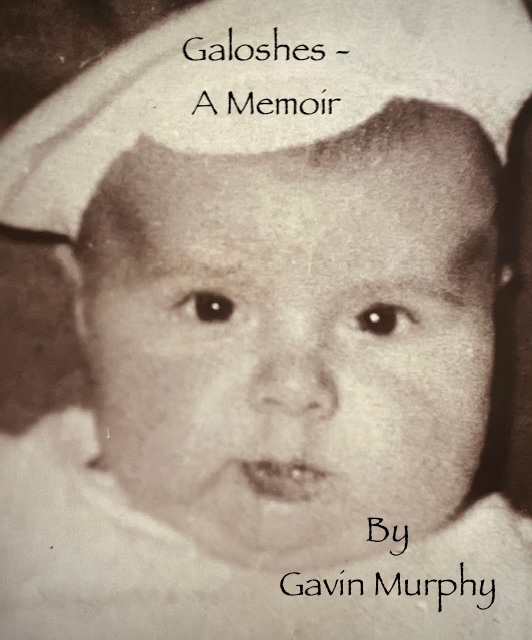


By Gavin Murphy


Winter
The ducks aren’t fazed by a little cold. They’ve migrated here for this: a swimming hole with water that isn’t frozen. Thus, the hooded mergansers appear in winter, in pairs, the male duck of the species sporting his flamboyant trademark bonnet of black-and-white. They seem to enjoy the chill and love cruising around the marsh in the cold rain. With all due respect to Audubon, his hooded mergansers look, quite literally, like ducks out of water, though his rendering of their plumage is spectacular. (See Audubon's Hooded Mergansers - Plate 413 of the Royal Octavo, 3rd Edition, 1870.) Seen in the wild, propelling themselves leisurely in the marsh water on a misty morning, hooded mergansers are creatures of unparalleled grace and beauty. (Not showboats though. Well, maybe the males with their magnificent manes, could be considered showboats. But they evolved that way because that’s what the lady mergansers wanted, at least according to Darwin.) The spartina is transitioning from golden yellow to a tawny reddish brown. Some of it will expire in the cold, turning into wrack, a mess of decaying stalks that compost the mud, releasing nutrients.Spartina requires fresh water for nourishment so it has special glands to filter salt out of the salt water. (Like I said, it's a super plant.) The rest of the wrack eventually is flushed from the marsh with the tides. Some of it washes up in heaps on nearby beaches. Occasionally, in the morning, there is ice in the birdbath. But the marsh never freezes. Sometimes it snows but not often. Also present at water’s edge is yaupon holly, a native species that produces bright red berries in fall and winter. Its Latin name is Ilex vomitoria - referring to the Native American practice of drinking strong yaupon tea that induced vomiting for medical and ceremonial practices. The colonials drank a weaker version as a cheap alternative to the heavily taxed imported tea preferred by the English. (Yaupon tea is enjoying a revival today.) There's also a native bay leaf tree, only one, not that close to the edge of the marsh. It's a slow grower, as it's been about the same size for the last 20 years. You also can make tea from its leaves. A pair of otters occasionally visit in the yard close to the marsh. One appears to be relieving himself but he is simply marking his territory. They don't linger for long, but it seems clear they think they own the place - not us. River otters are large otters, with a lustrous brown fur coat. Some people complain about the otters, saying they trash their docks, chew their boat cushions and leave half eaten fish strewn about. I also see them once in a while dashing across the highway, running as fast as they can on their short legs. Sometimes they don’t make it. Holstein has cancer. His nose is literally decomposing. His eyes, still penetrating, are a sickly yellow from jaundice. He doesn’t cry or whimper. When one night he sneezes blood, we decide it is time to put the old cat out of his misery. The moles and the mice will dance to his demise but I will miss him.
(old photo: The cat was young. I still had some hair.) “Cedar fever” can strike in midwinter when the cedar trees that grow along the marsh (actually junipers) sprout tiny yellow cones. These, naturally, contain allergy causing pollen. The pine tree pollen, similar in color, comes later, blanketing the car. A hummingbird zooms in and out of the cedar tree. The same tree where the waxwings will arrive soon in a hungry flock to devour the berries growing on its branches.
The tree swallows stick around in winter, careening in the sky over the marsh. They have a smaller forked tail than the barn swallow and the bird guide says they have 'iridescent, dark blue or green heads' but they fly so fast high enough in the sky that such detail escapes my observation. Something moves at the edge of the marsh, near a tree stump. A brown furry head pops up. A baby otter? No, it’s a mink. More than 20 years living on the marsh and it’s my first sighting. The mink inspects the tree stump, then disappears. Could the stump house a burrow for its family? I ride my bicycle to the beach side of the island. The tide is out and the sand is hard packed, perfect for peddling on the beach. The wind is at my back, so peddling is optional. The tides here in Georgia are among the most extreme on the east coast, with a 6 to 9 foot difference between low and high tide. ‘Spring tides’ - which have nothing to do with the season - are even higher and occur twice a month. Pelicans usually hunt for fish in the ocean, where their dive bombing technique is more suitable. They rarely hunt for fish in the marsh. But if the tide is up and there are fish to be had, a couple of pelicans will sometimes give it a shot. The pigeons fly in circles above my neighbor’s dock. Hungry on a chilly winter morn. They know she will come. Sure enough, a woman soon appears. The birds swarm above as she walks out onto the dock tossing small pieces of bread into the air. Breakfast is served. I make a game with the grandkids in which we set up traps to try and catch the varmint, buckets with ropes tied to them and such. I say we are going to stay up all night if we have to. A couple of times we use flashlights to probe the darkness for any activity but we are all asleep long before the varmint stirs. The tide gushes into the marsh, a tentacle of which flows right beside our house. Sometimes, I think our house has perhaps violated these wetlands. The water level steadily rises, almost as if it resents our presence. Sometimes the full moon, or a storm, pushes the tide above the banks of the marsh and well into our yard, before it almost reluctantly retreats. The marsh is patient, but someday it will reclaim this land. Later, the tide is again going out, but this evening there appears to be - resistance. The breeze picks up and the spartina becomes a rolling sea of green, yellow gold and bronze. The wind shifts direction abruptly and there seems to be a school of fish swimming against the current. The surface of the water glimmers and sparkles as a gust paints it, Pollock like, with silvery splashes, the water coursing through the twisted labyrinthine channels, colors fading, only to erupt again as something moves just beneath the surface, synchronized and swift. Meanwhile, the varmint still lives. ####
Acknowledgements:
My autographed copy of The Low Country
by Mallory Pearce published by The Saltmarsh Press
Birds of Georgia, Parrish-Beaton-Kennedy,
Lone Pine Publishing International
Runaways and the Last of the Gaule
by Jack Anderson
in which there is much yaupon tea drinking
And thanks to Chuck Powell, all around nature expert
and Eagle Scout.

Maybe he is just looking at his own reflection.


Leave a Reply